Blog
Where Do Men Talk? Fatherhood, Vulnerability, and the Absence of Peer Support Spaces
por Alfredo Carrasquillo
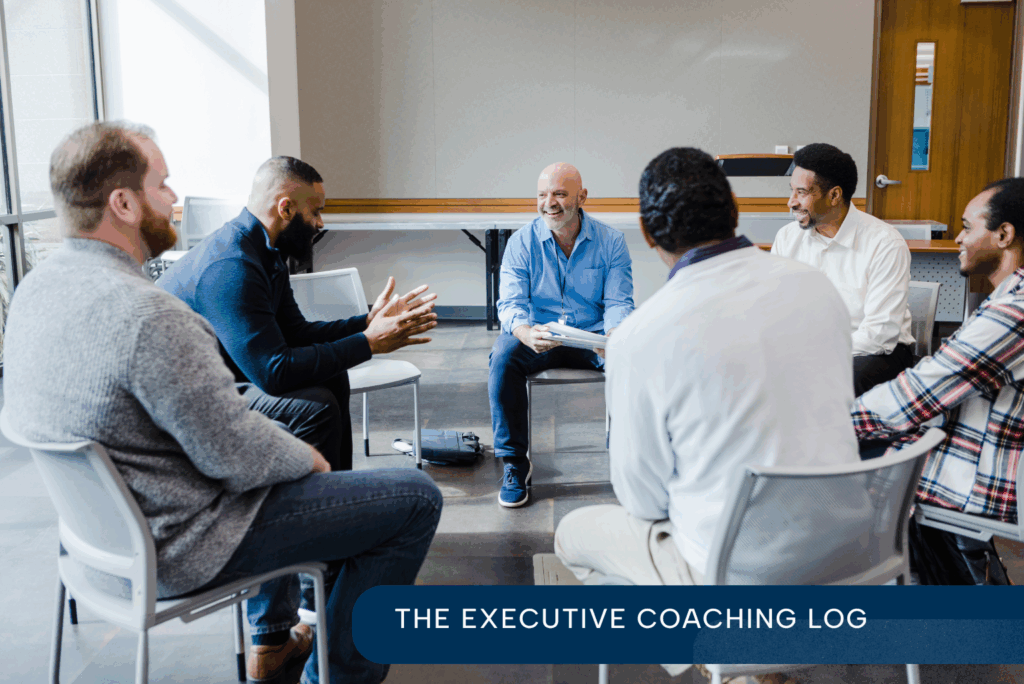
I’ve seen how, over the past few decades, communities, networks, and dialogue spaces for executive and professional women have flourished. As gender relations are reconfigured and we build scenarios of greater equity, these spaces have become safe environments where women can accompany each other. Places where they can open up, share their dilemmas around work-life balance, and support one another in the challenging task of balancing professional ambition, family care, and personal fulfillment.
These initiatives — mentorship circles, women’s leadership networks, gender-conscious networking spaces — are not only valuable but necessary to drive deep cultural change. They have made visible what was once experienced in silence: the constant tension between the demands of the professional world and the responsibilities of personal and family life, especially when role models from previous generations are no longer very helpful.
However, every time I work with male leaders — CEOs, general managers, senior executives, entrepreneurs — the same question arises for me: Where do they talk? Where can they freely explore their desire to be present fathers, the persistent pressure to be providers despite societal changes, the fear of failing in any of the multiple roles they are now expected to fulfill? Many of these executives confide that they simply don’t find these kinds of spaces among their peers.
While there are countless places where men gather — the golf club, the tennis court, the bar, business dinners, forums like WPO to talk strategy and results, or professional development settings — most of these environments perpetuate a logic of competition, achievement, and the image of unshakeable strength.
Do they socialize? Yes. Build alliances? Absolutely. Have fun? Certainly. But very few spaces truly allow for safety and kindness around vulnerability. Talking about feelings, fears, doubts, the loneliness that often comes with leading or supporting a family, or the challenges of navigating new coordinates in gender relations does not easily fit into these settings.
Paradoxically, more and more men express in coaching sessions their desire to be more present in their children’s lives, to be equal partners at home, to take care of their own mental health. Yet they feel they have no one to tell that sometimes they simply don’t know how to do it.
What happens when a leader has no one to share these concerns with, beyond a coaching session or therapy? What I often observe is emotional isolation, difficulty asking for help, burdens carried in silence until they become unsustainable. The danger of retreating into outdated, conventional models of patriarchal masculinity emerges as an unhealthy risk.
This is not about portraying men as victims but about naming a reality: just as women have needed to claim spaces to make their challenges visible, men also need to recognize and reframe their own vulnerability. Traditional masculinity — the one that doesn’t cry, doesn’t doubt, never breaks — no longer fits the expectations of modern fatherhood or of more humane, conscious leadership.
In some countries, initiatives and retreats have emerged where men gather to share practical tasks and, in doing so, talk about their lives; circles for active fatherhood or communities focused on positive masculinities. While promising, these proposals remain the exception and are far from becoming a robust, normalized network.
In organizational settings, it’s still rare to find spaces where men can openly talk about work-life balance, caregiving, or fears without the risk of being seen as “less committed” or “weak.” The question that remains is: What would it take to create these spaces?
In times when we increasingly talk about holistic well-being, empathy, and human-centered leadership, it’s worth asking:
• How ready are workplaces to hold uncomfortable — but necessary — conversations about male vulnerability?
• What happens when an executive wants to take an extended paternity leave or requests flexible hours to care for their family?
• How can we promote peer networks, mentorships, and role models that embrace shared responsibility, gender equity, and emotional presence?
Because the challenge is not just individual; it is cultural. It requires legitimizing new ways for men to talk to each other, creating spaces where it’s okay to say “I can’t do this alone,” and normalizing the idea that asking for support is also a sign of strength.