Blog
Leading Change and Transitions: Between Strategy and the Human Dimension
por Alfredo Carrasquillo
In an organizational world that never stops transforming, leading change is no longer just a desirable skill — it is a critical necessity. The conditions of our environment do not tend to stabilize; on the contrary, everything indicates that shifts will become faster, more unpredictable, and more demanding. In the words of John Kotter, “the only rational solution is to learn more about what creates successful change and to pass that knowledge on to increasingly larger groups of people.”
However, beyond methodologies, timelines, and implementation plans, there is a dimension that is often underestimated — and one I constantly emphasize with the leaders and executive teams I work with: the human dimension of change. Because every transformation process — no matter how strategic — ultimately unfolds in the realm of habits, emotions, resistance, and shared meaning.
Of course, this human dimension plays out differently in every team and for different types of change. Supporting a gradual change is not the same as facing a disruption. Some organizational processes involve progressive adjustments and developments; others demand deep, rapid, and sometimes painful transformations. Recognizing what kind of change you are dealing with is essential for choosing the right leadership and communication approach.
Today more than ever, leading change requires more than just a solid plan. It demands connecting the “why” of change with the organization’s purpose and strategy, communicating its benefits clearly and logically, generating commitment, and sustaining momentum — even when resistance arises. Early wins help build credibility, while consistency, composure, and a sense of confidence from leadership are key to staying on course and remaining open to adjustments.
Change doesn’t just alter processes — it challenges certainties, habits, and comfort zones. Uncertainty, fear, and anxiety come into play. Change means letting old ways of doing things die, embracing the new, and dealing with the tension between what was and what is yet to be.
As leaders, it’s not enough to design the path; we need to manage our own emotions and those of the team, listen carefully, ask good questions, allow space for emotional expression, and create opportunities for real conversation. Because change cannot be imposed — that would be an open invitation to sabotage. Change is facilitated by inviting everyone on the team to build it together.
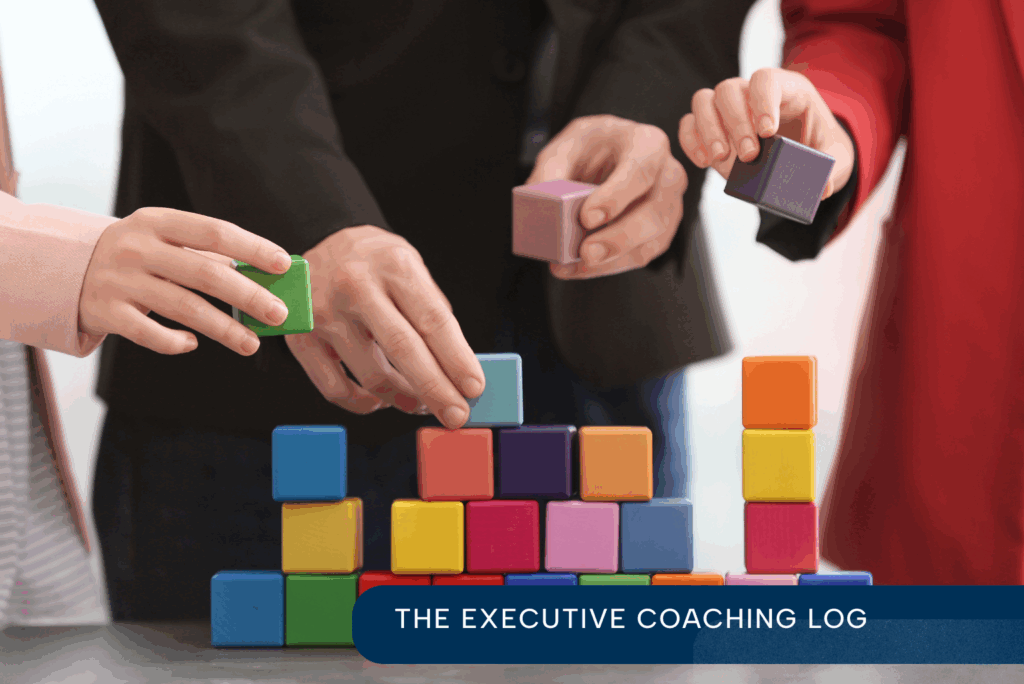
And this shared construction is crucial, because one common mistake is to assume that leading change is a solo task. In reality, it is a team effort that requires alignment, inspiration, trust-building, and rallying people around a common cause. Transformative leadership is human, inspiring, consultative — and understands that you can’t sell internally what you haven’t truly bought into yourself.
That’s why it is so important for leaders to be aligned with one another before communicating outward. A unified message, a shared narrative, and the prevention of contradictions strengthen credibility and the ability to mobilize.
In short, leading change and transitions is not just about moving organizational pieces around. It’s about mobilizing people, conversations, and shared meaning. It’s about acting with clarity, discipline, collaboration, and hope — even in the midst of uncertainty. It’s about building, ultimately, a stronger us.
Because transforming isn’t just about changing structures; it’s about accompanying human processes. And that, in the end, is what true leadership is all about.